Art Center Unveils New Degree Programs

In March of this year, Art Center President Lorne Buchman announced Create Change, a strategic plan that lays the groundwork for Art Center not only to retain its competitive edge, but to become the foremost art and design college of the 21st century.

Among several initiatives, the plan recognizes the need for Art Center to create new programs that anticipate the future trajectory of our practices, which in turn will complement and enhance our existing programs. Faculty and College leaders conducted research on emerging markets, evaluated student demand, business feasibility and curricular relevance of several proposed new programs. Three of those programs will launch in Fall 2012:

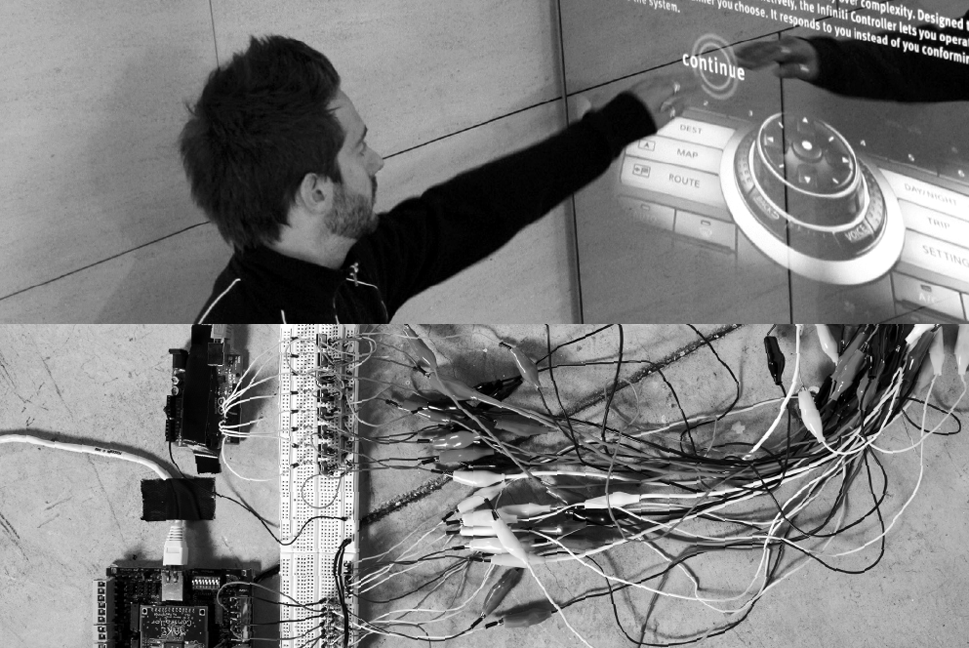
Interaction Design Imagery

Interaction Design (B.S.)
Whether designing a mobile app or a gestural interface for an exhibition, a new consumer electronics product or a rich informational website, Interaction Design students at Art Center learn to think deeply about the user’s experience, apply technology creatively and invent new approaches to interaction and design.
http://www.artcenter.edu/ixd

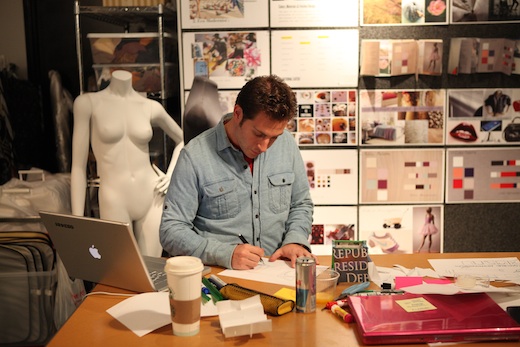
Environmental Design Imagery

Environmental Design (M.S.)
The new Graduate Program in Environmental Design considers the relationship between individuals, materials, space and emotion, challenging students to design spatial experiences from the first moment of encounter to the last moment of interaction. Tracks in Spatial Experience and Furniture and Fixture Design enable students to specialize and obtain advanced knowledge on theory and practice.
http://www.artcenter.edu/gradenvl

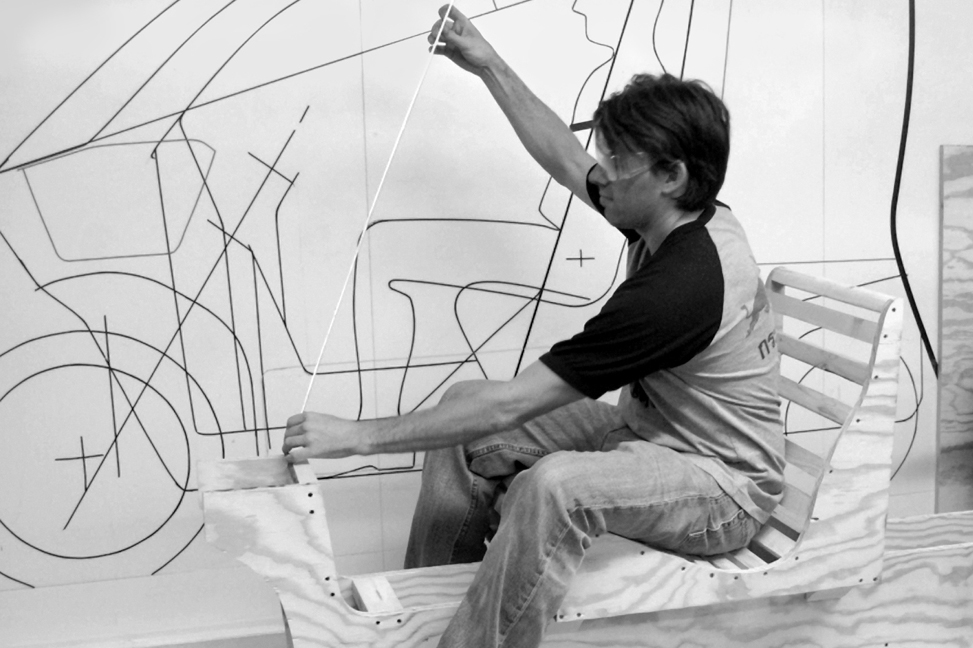
Transportation Design Imagery

Transportation Design (M.S.)
The new Graduate Transportation Design program will help change the thinking of the automotive industry and the wider field of transportation and personal mobility. Through two tracks—Vehicle Design and Transportation Systems—students will create inspired vehicles and transportation systems that will impact the world.
http://www.artcenter.edu/gradtrans

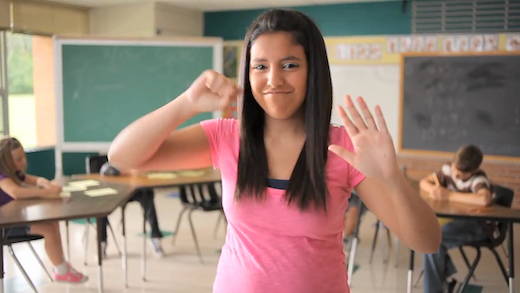
Graduate Media Design (M.F.A.) is also launching the new Media Design Matters track, which allows students to work at the intersection of social issues, media infrastructure and communication technology in a real-world context. The track is run in collaboration with Designmatters, Art Center’s social impact department.
http://artcenter.edu/mdp

Each of these new offerings will attract to Art Center a diverse new group of students who will learn to create and influence change in our world.

Applications are now being accepted for Fall; we encourage students, faculty and staff to refer those who are interested in learning more to the links provided here and to Admissions.

Share this:Email this to someoneShare on FacebookShare on Google+Tweet about this on TwitterShare on LinkedInPin on PinterestShare on Tumblr

For Alumnus and Instructor Cory Grosser, “Sometimes Furniture is Too Small a Word”

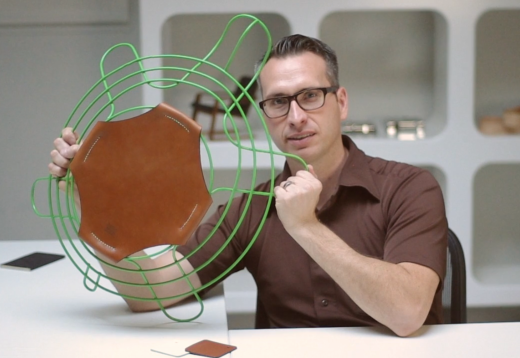
Cory Grosser holding his latest project, a design object for kids called Turtle Turtle.

In the latest issue of Dot, Art Center’s newly reimagined flagship publication, we take a look at the College’s Environmental Design Department and get a sneak peek into the department’s upcoming graduate program. Among the many individuals we interviewed for that story was alumnus and Environmental Design instructor Cory Grosser ENVL PROD ’01, a product designer and brand strategist whose clients include Bentley Motors, MDF Italia, SpHaus, Ford Motor Company and Walt Disney Signature.

Grosser uses narratives to design compelling experiences, as perfectly illustrated in his latest project Turtle Turtle, a sculptural toy he created both for his daughter and for Humanscale’s Faces in the Wild art auction in London earlier this month. At this charity event, artists and designers donated works based on endangered animals with all proceeds benefiting the World Wildlife Fund. Encouraged by the initial response, Grosser recently launched an official Kickstarter campaign to bring the toy into production.

We’re pleased to bring you this extended interview with Grosser and encourage you to get the larger story of Art Center’s Environmental Design program by reading Designing from the Inside Out in the latest issue of Dot.

Dotted Line: What’s your educational background?

Cory Grosser: I have a degree in Architecture from the University of Buffalo and I was an Environmental Design major here at Art Center. I earned a B.S. in “Environmental Product Design,” which was a track they offered for a very short time within the Environmental Design Department. It was a track geared towards students who wanted to learn more about objects within a space. I think there’s only three of us that graduated from that track.

Dotted Line: Speaking of objects within a space, in addition to leading DesignStorms and corporate-sponsored projects, you teach several furniture studios for the Environmental Design Department . How do environmental designers go about designing a piece of furniture?

Grosser: Environmental designers know that the furniture inside of a space has tremendous implications for the way a space feels. If you walk into a totally empty room, it feels a certain way. Now fill the room with furniture. Depending on the type of furniture you place inside, the way the room looks, works and feels will be completely different. Sometimes “furniture” is too small a word. In our department we teach our students to think narratively. We like the objects our students design to tell stories and to engage people through those stories. Furniture is a good way for students to understand how their projects should tell stories, even if it’s a single object. So even if a student isn’t interested in designing furniture for a career, taking a furniture class once could still be beneficial for them.

The theme of Grosser's Piazza America at the 2010 Milan Furniture Faire was "Tell Me Your Dreams."

Dotted Line: Because of that narrative-based approach to tackling projects?

Grosser: That, but also in the furniture class we ask students to think a lot about who they are as a designer. What are they bringing to the table? The reality is that there’s a lot of furniture in the world, and every year there’s more and more. So we ask them to think about the thought processes behind making their furniture and how their work fits into the larger context of other work. All those lessons apply to projects beyond furniture.

Dotted Line: David Mocarski, the Chair of Environmental Design, says that environmental designers focus on the “total spatial experience.” Can you tell me what that means to you?

Grosser: That’s probably the best definition of “Environmental Design” that I’ve heard. The idea behind total spatial experience is that space is about scale. If architecture is the building, and interior architecture is what’s inside, then the total spatial experience can mean everything from the smallest object in the room to the building and even beyond the building. And since it’s experience-based, it’s all about how people feel in the space. Everything can affect the way you feel: lighting, graphics, signage, the materials or even the way the windows work. It’s a very holistic idea and it’s a very large umbrella for our students to explore, so the career options are quite vast.
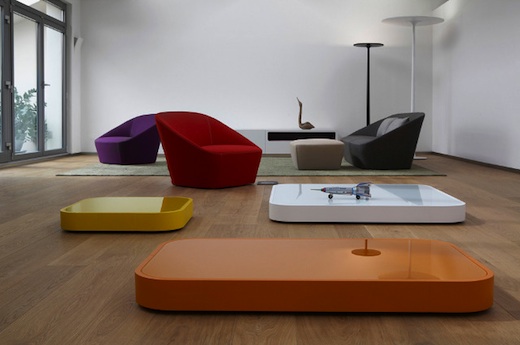
Grosser's Bucket upholstered seating collection for SpHaus was inspired by seats of classic sports cars.

Dotted Line: What kind of changes to the field have you seen since you graduated?

Grosser: Beyond the obvious changes in technology, one of the biggest changes is that designers today have to be more strategic and savvy about what they’re designing. The expectations of the people using their products–whether you call them “consumers,” “clients” or “users”–are growing, and rightly so. So as teachers, we have to teach the students new strategies. Back when I was studying architecture, they referred to this field as “themed space design” or “themed architecture.” Nobody uses that terminology anymore because the field has turned into so much more. The ecosystem of narrative, brand and experience has become much more sophisticated.

Dotted Line: In a sense does the space become just one element of the overall brand?

Grosser: It goes back to that concept of total spatial experience. That can encompass everything from the packaging of the items within the space to what you’re seeing outside as you approach the building to your experience with the product or the website once you get home. Think of when you go to a restaurant. Of course the experience is about the food, but it’s also about the space, the menus, the silverware, how the waitstaff is dressed and what they say when they greet you. It’s a bit like conducting a symphony. We want to teach our students to become conductors, not just players of one instrument.

Beyond Luxury Concept by Cory Grosser for Bentley Motors.

For more about Art Center’s Environmental Design program, see the latest issue of Dot.

Share this:Email this to someoneShare on FacebookShare on Google+Tweet about this on TwitterShare on LinkedInPin on PinterestShare on Tumblr

Art Center Ranked Among the Best of the Best by DesignIntelligence’s Annual Survey

An Art Center student hard at work at a recent DesignStorm.

Cited as a “heavyweight player,” Art Center College of Design was once again ranked first for its undergraduate industrial design programs by the Design Futures Council in its annual DesignIntelligence survey of America’s Best Architecture and Design Schools, which recognizes the schools that are best preparing students for success in their professions. This year, the College’s Graduate Industrial Design program ranked second, one spot away from first where it has placed five times out of the last seven years.

The sum total of Art Center’s undergraduate industrial design programs—Entertainment Design, Environmental Design, Product Design and Transportation Design—were most admired for their “resources, reputation and quality of education.”

In their assessment of industrial design skills, in which hiring firms deem the collegiate programs most strongly educating students in specific skill areas, Art Center ranked first place in the categories of “Communication,” “Computer Applications” and “Design.” The College also ranked in the top five in the areas of “Cross-Disciplinary Teamwork” and “Research and Theory,” which makes Art Center one of only two schools to place in all categories.

“These programs are graduating students who are able to tackle complex and difficult work, create and share knowledge, and invent new design solutions in their fields,” the survey said of the institutions which ranked in its annual survey. “Students learn not just technologies and craft but also leadership, judgment, and insight into changing contexts and upcoming challenges. These will be our future leaders.”

The Design Futures Council is an independent and interdisciplinary network of design, product, construction leaders exploring global trends, challenges and opportunities to advance innovation and shape the future of our industry and environment.

Share this:Email this to someoneShare on FacebookShare on Google+Tweet about this on TwitterShare on LinkedInPin on PinterestShare on Tumblr

Alumnus Directs White Stripes Video for Deaf Professional Artists Network

Still from the "We're Going To Be Friends" video, directed by alumnus Nicolas Hill for D-PAN.

Check out this beautiful video of The White Stripes “We’re Going To Be Friends” directed by Film alumnus Nicolas Hill for the Deaf Professional Artist’s Network (D-PAN).

In the video–which has been featured on The Today Show, CBS News and has received more then 330,000 hits so far on YouTube–deaf and hard-of-hearing children sign the lyrics to the Stripes’sweet song about finding a new friend at the start of a new school year.

Hill, who graduated in 2001, is a co-founder of Lucky Airlines film production company, a company that specializes in commercials, music videos and industrial videos. D-PAN is an organization dedicated to promoting professional development and access to the entertainment, visual and media arts fields for individuals who are deaf or hard-of-hearing.

Head past the jump to see the video.

Share this:Email this to someoneShare on FacebookShare on Google+Tweet about this on TwitterShare on LinkedInPin on PinterestShare on Tumblr

Art Center Salutes Our Veterans

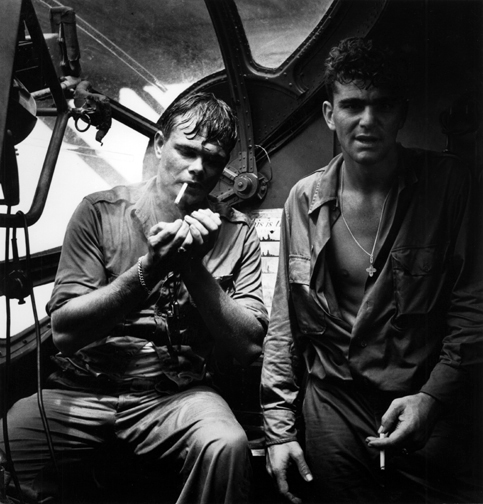
Alumnus Horace Bristol's Rescued Airmen Smoking Aboard the PBY" (1944)

Today is Veterans Day, a day our nation sets aside to honor its veterans for their patriotism, their service and the sacrifices they made–and continue to make–to protect our freedoms.

Art Center’s history is rich with students, staff and faculty who served their country through military service. In fact, the College’s student population grew significantly due to the Servicemen’s Readjustment Act of 1944, better known as the GI Bill, a piece of legislation that honored veterans by helping to pay the costs for them to attend colleges and universities. The growth was dramatic enough to require Art Center to move from its modest 7th Street Campus to its larger 3rd Street Campus in 1947.

Today, as we have throughout the College’s history, we continue to educate women and men who have served at home and abroad. As our veterans continue to return from their tours of duty in Iraq, Afghanistan and other points across the globe, we are grateful for the rich contributions they make to our lives, both on and off campus.

Share this:Email this to someoneShare on FacebookShare on Google+Tweet about this on TwitterShare on LinkedInPin on PinterestShare on Tumblr

Don’t Miss Artist and Designer Mike Perry

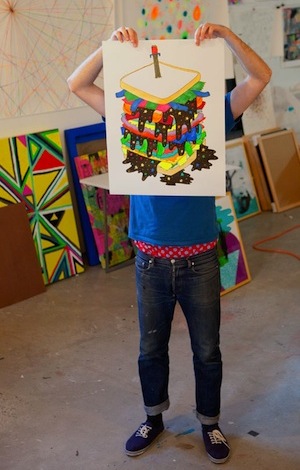
Artist/designer Mike Perry in his studio

Don’t miss a special presentation by artist and designer Mike Perry tonight, Thurs. Nov. 10 at 7:30 p.m. in the LA Times Auditorium.

Perry will also host a drawing workshop on Saturday, November 12 from noon to 4 p.m. in the Faculty Dining Room. To RSVP, email danielle.ferrer@artcenter.edu.

About Perry, from his website:

Working in a variety of mediums, including—but not limited to—books, magazines, newspapers, clothing, drawing, painting, and illustration, Perry is compelled by the ways in which the hand-drawn informs and deepens contemporary visual culture.

Perry works regularly for a number of editorial and commercial clients including Apple, The New York Times, Dwell, Target, Urban Outfitters, eMusic and Nike.

Most days, Perry can be found working away in his Brooklyn-based studio, ceaselessly mixing colors, pulling prints, building sculptures and exercising his belief in the transformative power of making things.

Share this:Email this to someoneShare on FacebookShare on Google+Tweet about this on TwitterShare on LinkedInPin on PinterestShare on Tumblr

Recent Photography Alumni in Upcoming Juenes Talents Shifting Perspectives at Gallery 825

This photo by alumna Christine Hemm will be featured in the Juenes Talents exhibition at Gallery 825.

As you may remember, two recent Photography and Imaging alumni–Christine Hemm and Maeghan Henry–were among eight artists who recently completed the fifth annual Jeunes Talents (Young Talents) photography program, in which they were sent on ten-day trips this past spring to various parts of France to capture contemporary French life.

After premiering in the Cultural Services of the French Embassy in New York earlier this fall, the Shifting Perspectives: Martinique / Metz / Rouen / Toulouse exhibition will move to Los Angeles’ Gallery 825 from November 18 to December 2, 2011, with an opening reception on November 17. A selection of works by Hemm, Henry and all the other artists can be previewed on the Juenes Talents website.

Juenes Talents is a cultural tourism project that combines tourism and the arts, photography and real-life experience, travel and inspiration, and American and French sensibilities to show life in France today. The project is organized by the French Tourism Development Agency; the Cultural Services of the French Consulate in Los Angeles and FLAX, a Los Angeles foundation dedicated to fostering a better understanding of France through public and cultural art events.

Share this:Email this to someoneShare on FacebookShare on Google+Tweet about this on TwitterShare on LinkedInPin on PinterestShare on Tumblr

Student’s Algorithm-Based Brand Identity System Wins Adobe Design Achievement Award

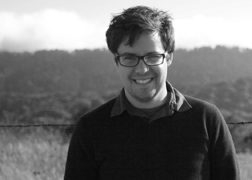
Graphic Design student Paul Hope

Congratulations to Graphic Design student Paul Hoppe for winning a prestigious Adobe Design Achievement Award in the Application Development category for “Exploratorium: Generative Identity,” a brand identity generation system he designed for San Francisco’s Exploratorium museum in Brad Bartlett’s Type 4: Transmedia course.

“The [Exploratorium] wanted their identity to reflect the ever-changing nature of the world around us, and simultaneously encourage us to explore our dynamic world,” wrote Bartlett in his project description.”The project allows for infinite variation of the brand mark. No two logo iterations are exactly alike. Supporting elements such as alphabet, texture, and background, can also be generated for use across the design spectrum, including print, web, motion, and interactive design.”

Read more about Hoppe and his project here.

Share this:Email this to someoneShare on FacebookShare on Google+Tweet about this on TwitterShare on LinkedInPin on PinterestShare on Tumblr

Letterpress Printer and Artist-in-Residence Amos Kennedy, Jr. to Speak at South Campus Tomorrow

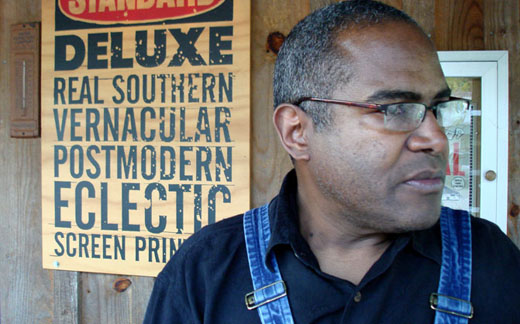
Amos Paul Kennedy Jr., at his letterpress in Gordo, Ala.

Amos Paul Kennedy, Jr., a letterpress printer and bookbuilder based in Gordo, Ala. and the subject of the recent documentary Proceed and Be Bold, will be in Pasadena today and tomorrow (November 4–5) for a two-day residency at Art Center College of Design in conjunction with Archetype Press, the 120 Group, and the Southern California Chapter of the American Printing History Association.

While at Art Center, Kennedy will conduct a series of letterpress workshops for Art Center students and APHA members, and give a free talk on Saturday, November 5 from 5:00 to 7:00 p.m. at South Campus’ Public Programs Gallery, which is open to the public.

About Amos Kennedy, Jr.: At 40 years of age, unsatisfied with his comfortable, middle-class life, Kennedy abandoned the traditional American Dream to follow his own. He traded in his computer for a printing press and his white collar for a pair of overalls. Kennedy is now a self-proclaimed “humble negro printer” whose letterpress work raises emotionally charged questions about race and individuality.

See the trailer for Proceed and Be Bold after the jump.

Continue reading

Share this:Email this to someoneShare on FacebookShare on Google+Tweet about this on TwitterShare on LinkedInPin on PinterestShare on Tumblr

Don’t Miss Machine Project’s Mark Allen Tonight

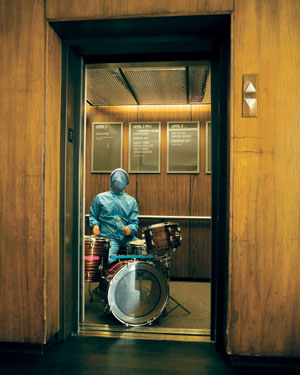
Artist Corey Fogel, part of Machine Project's 2008 "Field Guide" to the Los Angeles County Museum of Art

Tonight, Art Center’s Office of Career Development and Fine Art Department are presenting students with a unique opportunity to meet Mark Allen, the founder and executive director of Machine Project, from 7-9 p.m. in the Boardroom at Hillside Campus.

A non-profit performance and installation space that investigates art, technology, science and more, the Echo Park-based Machine Project also operates as a loose confederacy of artists producing shows at locations ranging from beaches to museums.

Tonight, Allen will discuss Machine Project’s history, fantastical events and mysterious collaborators. Topics covered will include indoor shipwrecks, dog operas (opera for and by dogs),fire starting with sticks, houseplant vacations, and teaching children how to steal cars.

No RSVP is required.

Share this:Email this to someoneShare on FacebookShare on Google+Tweet about this on TwitterShare on LinkedInPin on PinterestShare on Tumblr