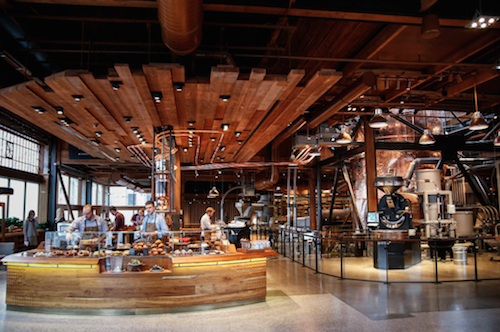
It’s only been a year and a half since Andre Kim (BFA 07 Env) signed on as a senior concept design manager at Starbucks. But the young environmental designer’s creative sensibility has already had a transformative impact on the java giant’s shifting identity. In a bid to compete with the surging success of high-end craft coffee boutiques (hence those ubiquity of long lines of Gen Y hipsters patiently awaiting their $6 pour overs), Starbucks set out to create the ultimate coffee fetishist’s fantasyland in the form of a new flagship retail experience in Seattle, designed by none other than Kim.
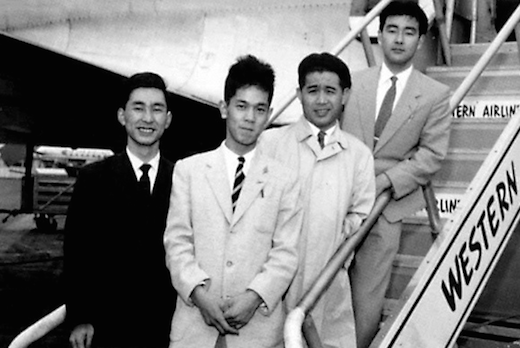
Product Design alumnus Kenji Ekuan (BS 57), second from right, arrives in the United States in the 1950s.
It is with great sadness that we report on the passing of Product Design alumnus Kenji Ekuan (BS 57). The legendary industrial designer died on February 8, at the age of 85.
A former Buddhist monk and the founder of GK Design Group, Ekuan designed everything from the Akita Shinkansen high-speed train, Yahama VMAX motorcylces and the iconic Kikkoman soy sauce dispenser, the latter which resides in the Museum of Modern Art’s permanent collection.
As NPR reported this morning, Ekuan’s decision to become a designer had roots in the bombing of Hiroshima in 1946, an attack which killed his sister and his father. ”Faced with brutal nothingness, I felt a great nostalgia for something to touch, something to look at,” he told Japanese broadcaster NHK. “The existence of tangible things is important. It’s evidence that we’re here as human beings.”
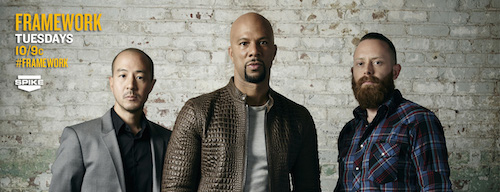
Spike TV’s Framework, a furniture design reality show, features Product Design alum, Nolan Niu as a judge
From Oxygen’s Street Art Throwdown to Spike TV’s Framework to the 2015 Academy Awards to Toyota’s MIRAI—Art Center alumni were featured across the media landscape, doling out expertise on art and design-based reality shows and creating inventive animation and futuristic vehicles. See the full scope of this month’s alumni accomplishments below.
“Being part of a community that provides support and critique is important,” said Media Design Practices (MDP) Chair Anne Burdick as she kicked off the department’s first ever Faculty Work-in-Progress show on a recent Thursday evening in Art Center’s Wind Tunnel gallery space. “It’s really a super amazing gift.”
As the MFA program’s twelve faculty members’ presentations unfolded over the next two hours, it quickly became clear that Burdick was not overstating the rewards of her department’s commitment to open dialogue. The event, which Burdick hopes will become a regular piece of programming, was organized around the following theme: a piece of something bigger. Faculty responded to that imperative with a series short presentations of unfinished projects they’re cultivating in their private creative practices.
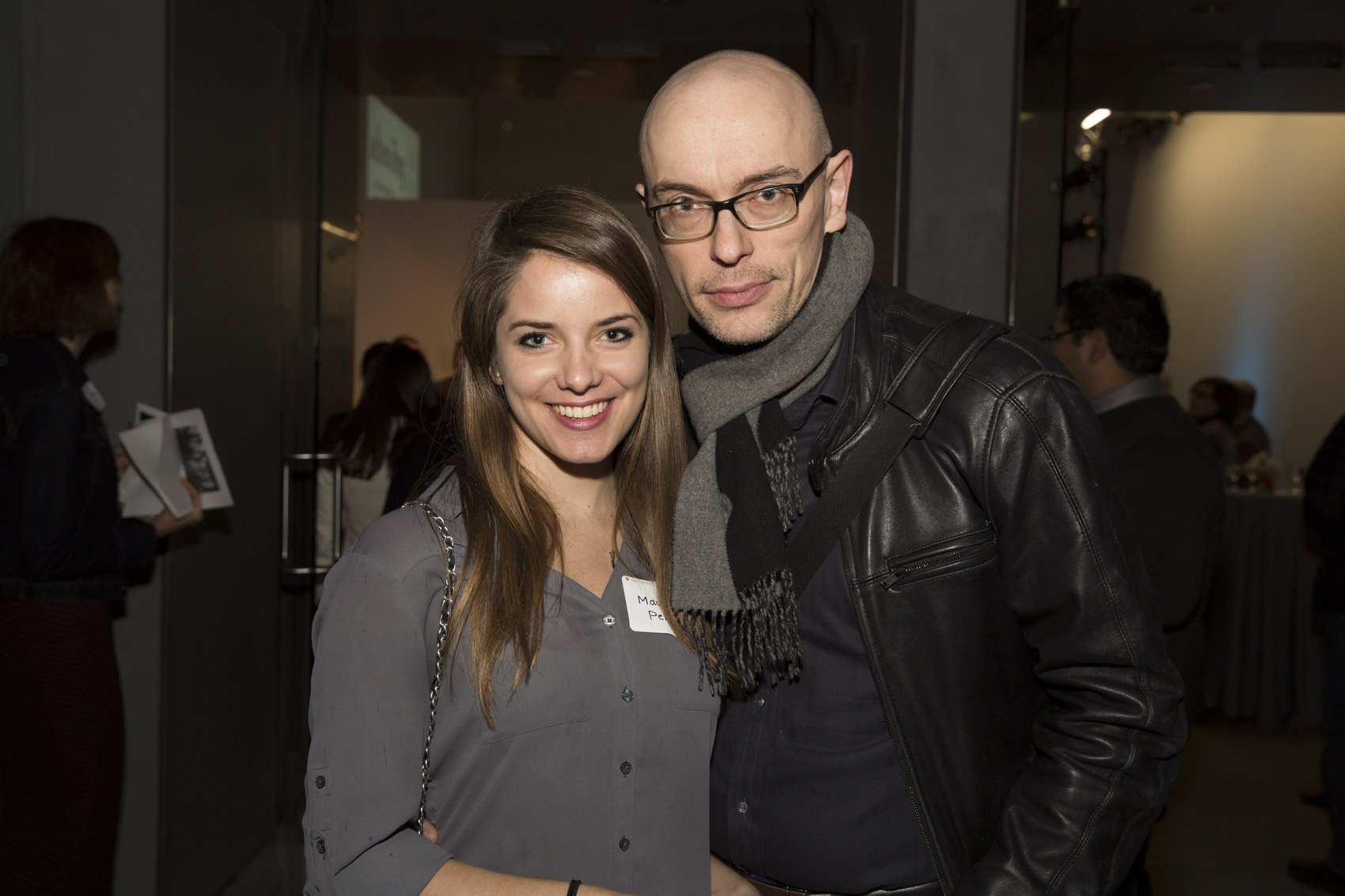
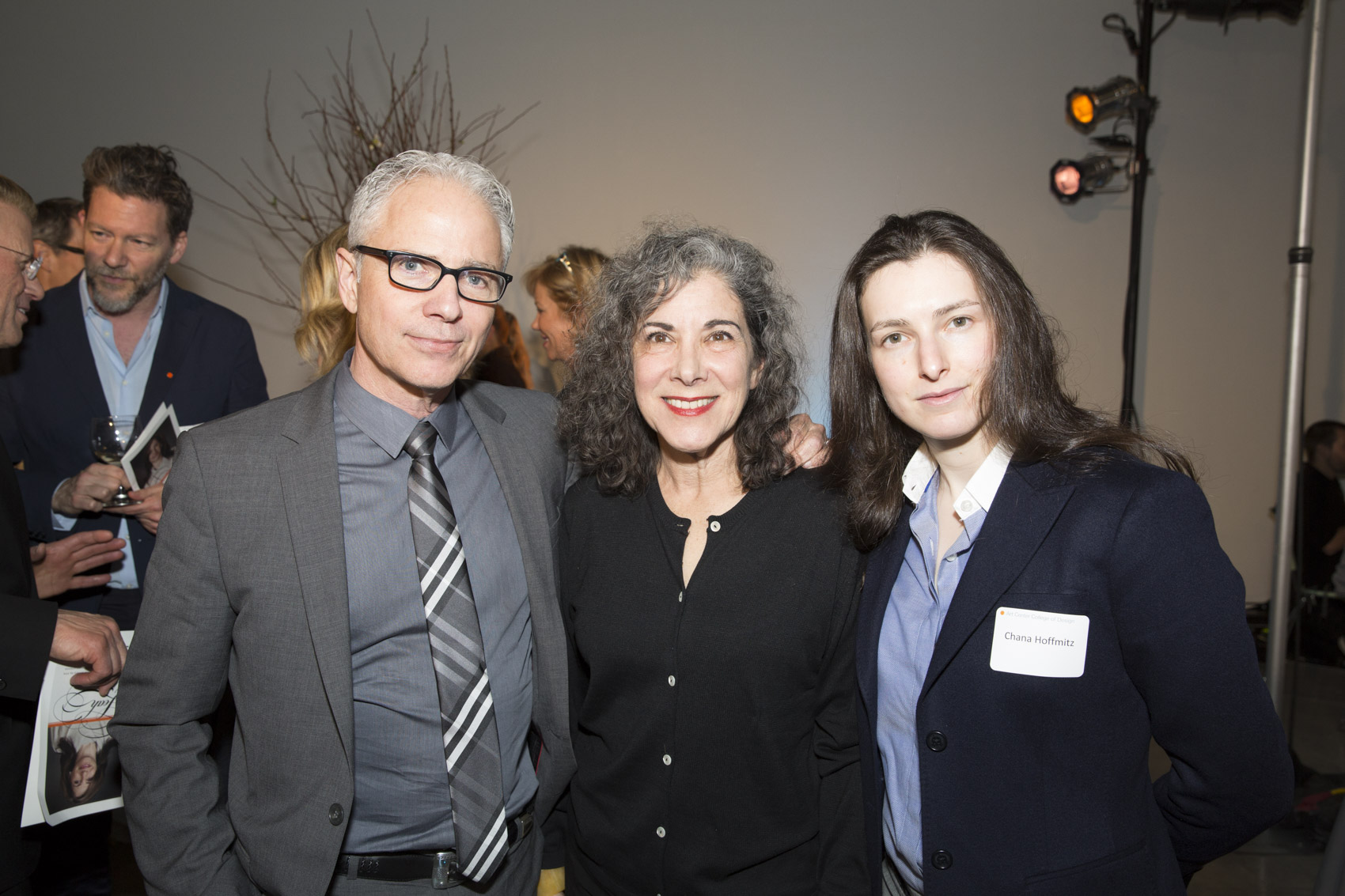
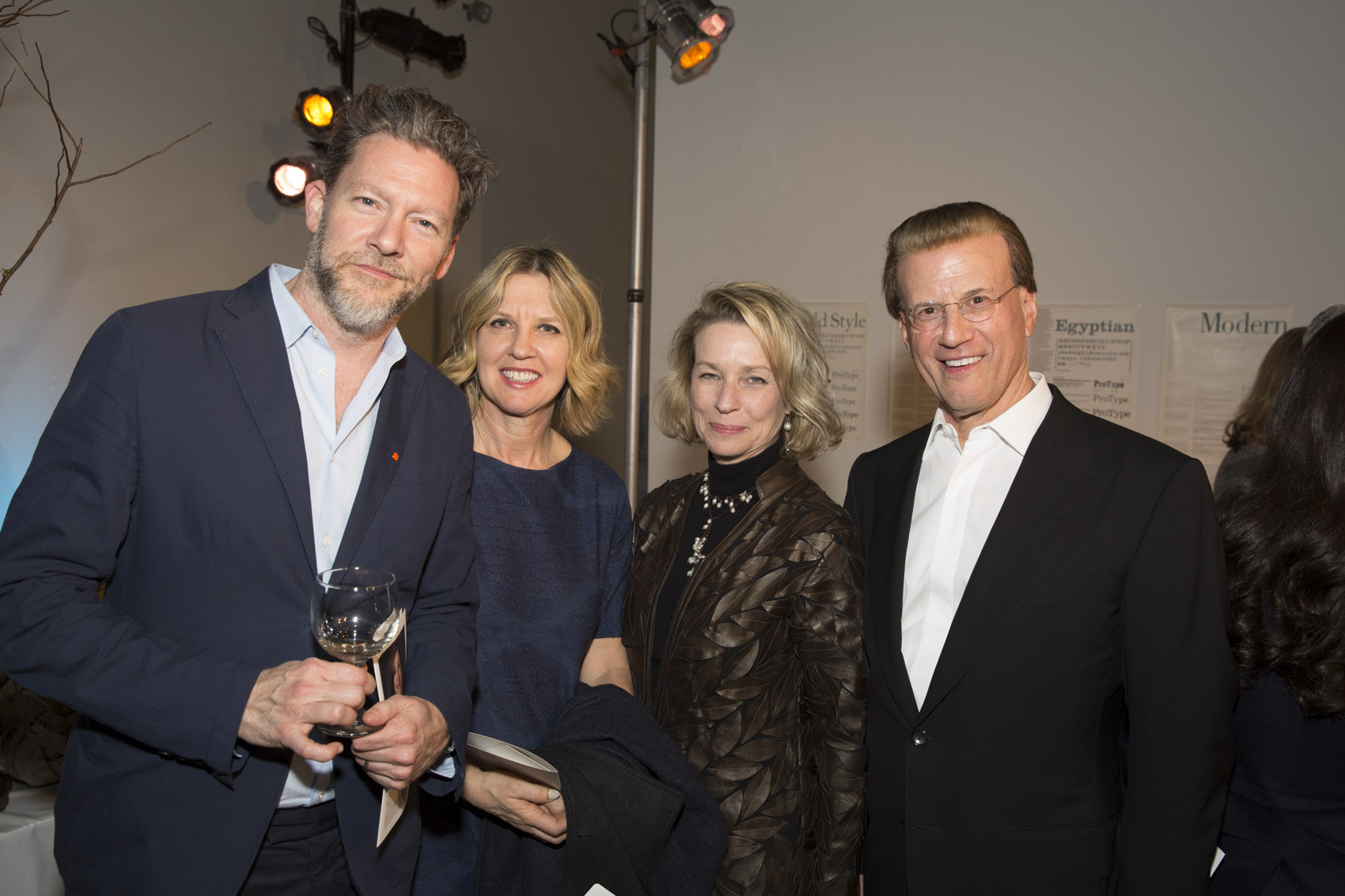
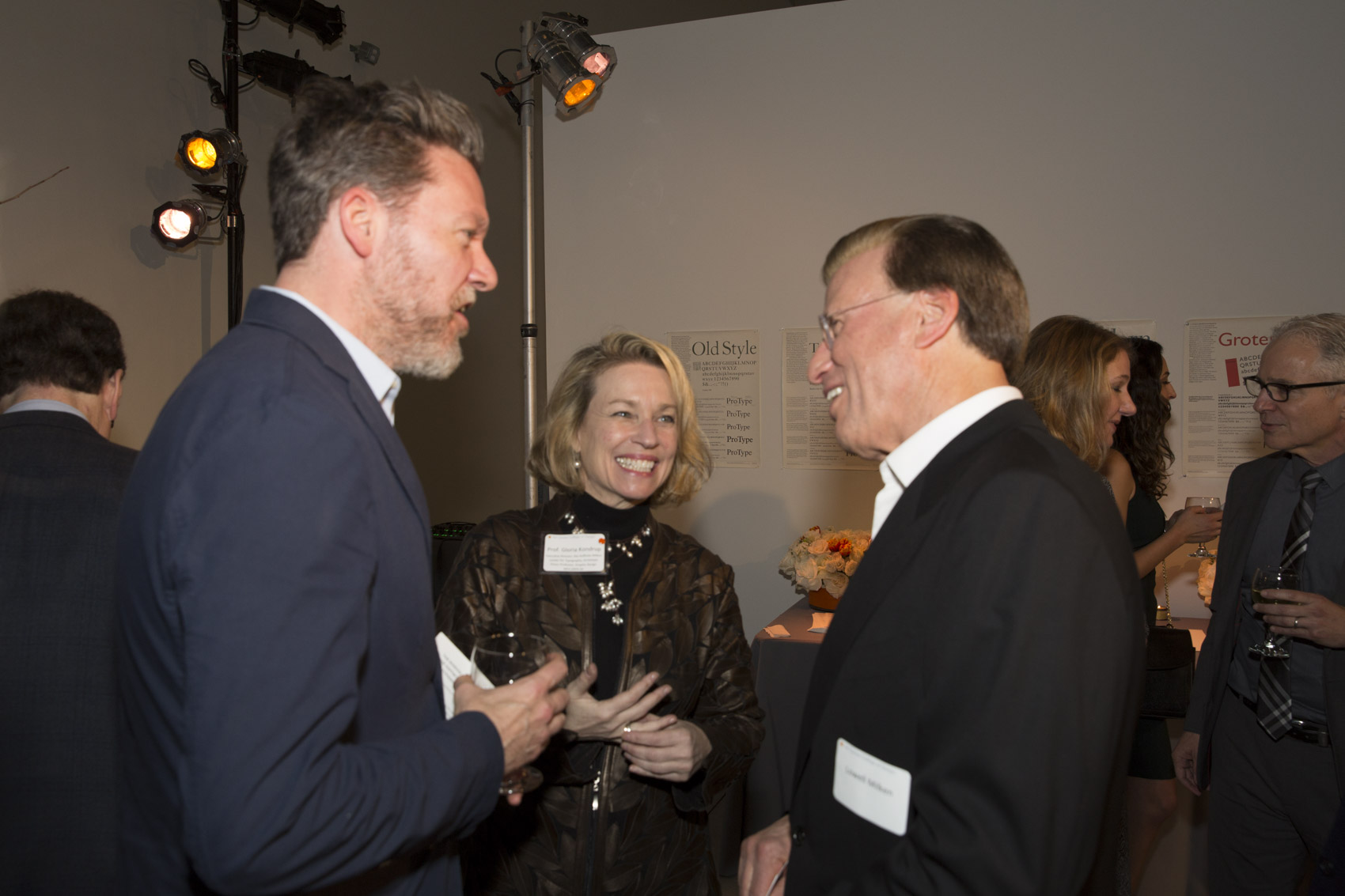
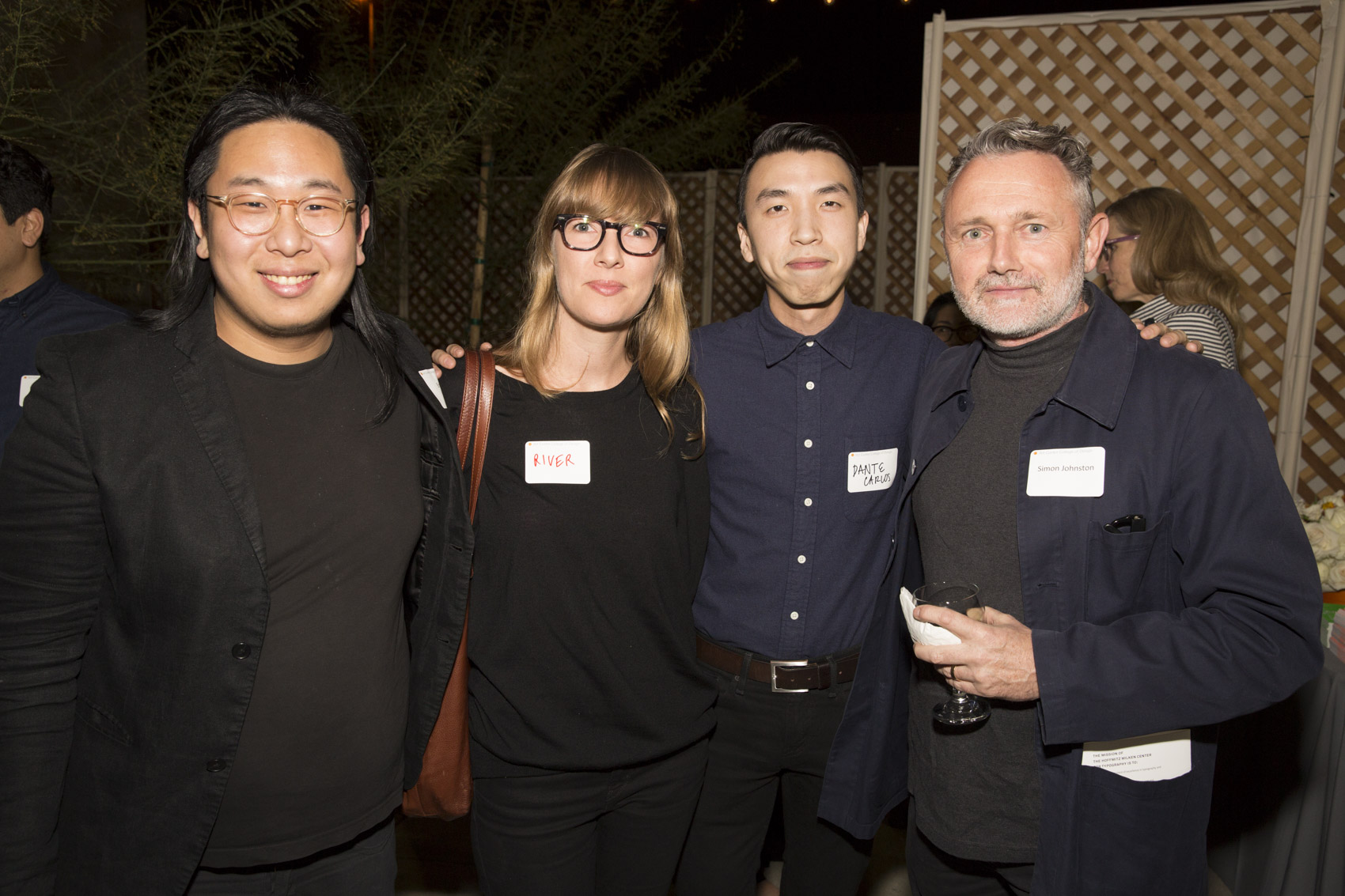
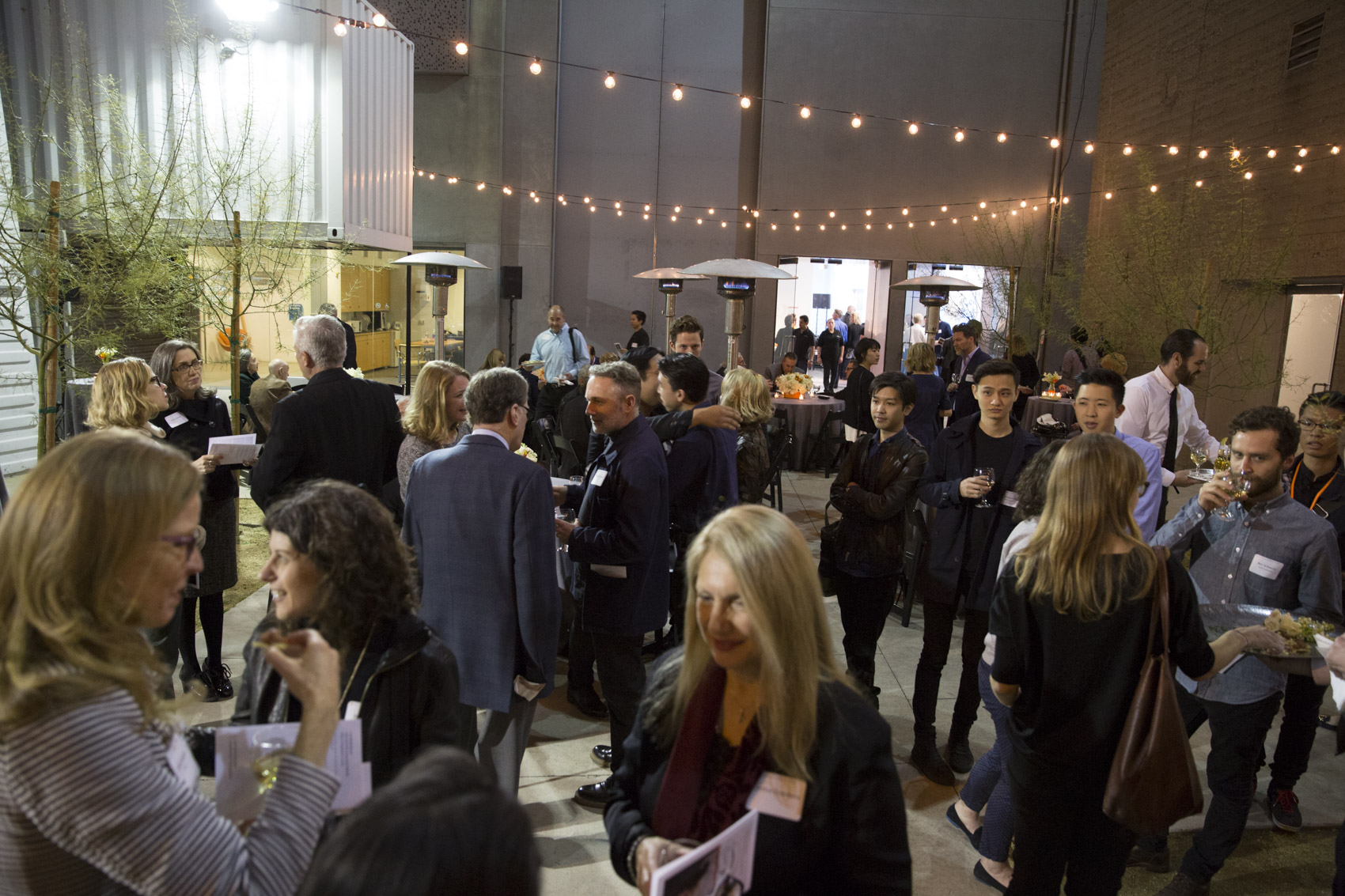
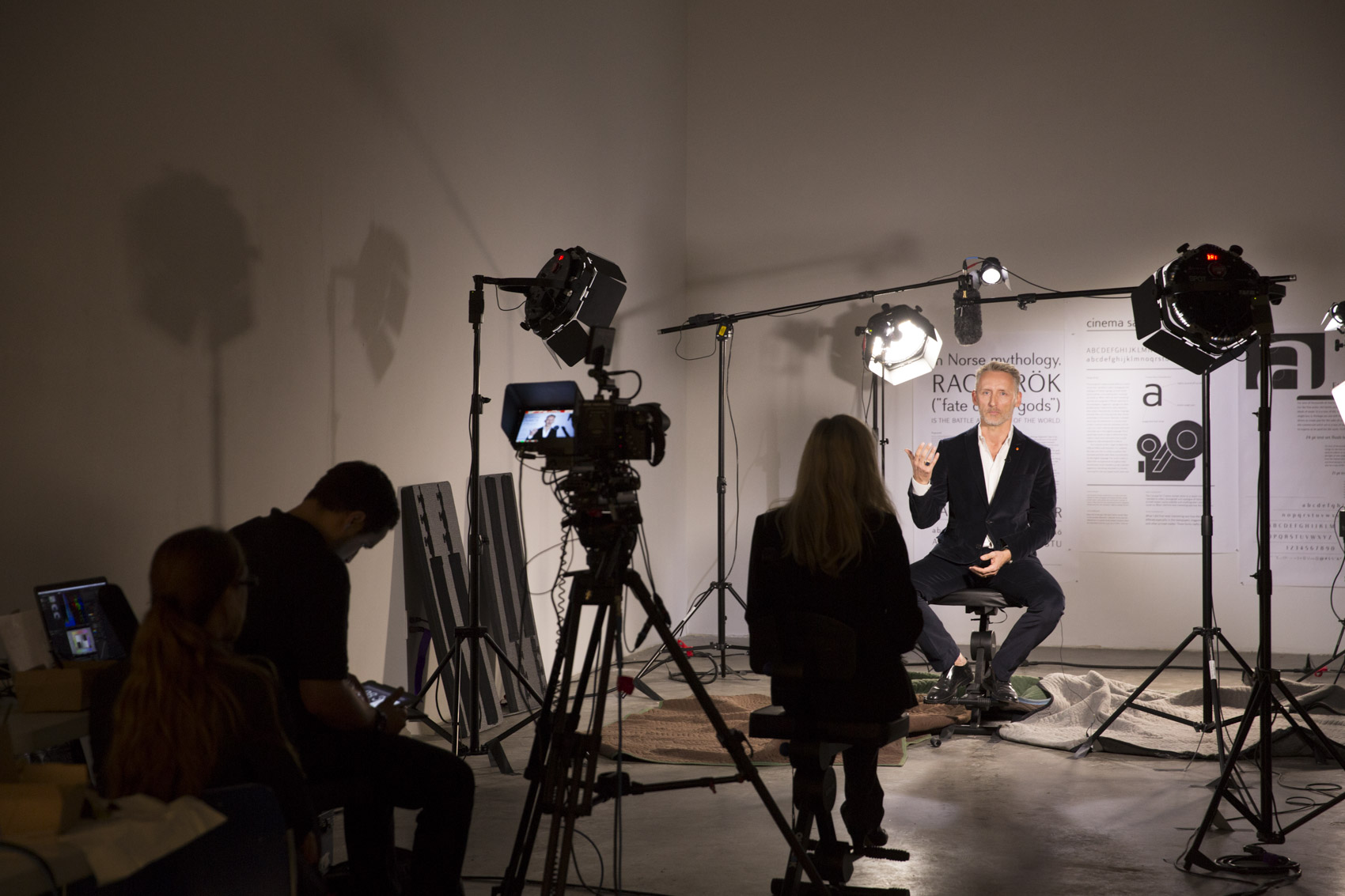
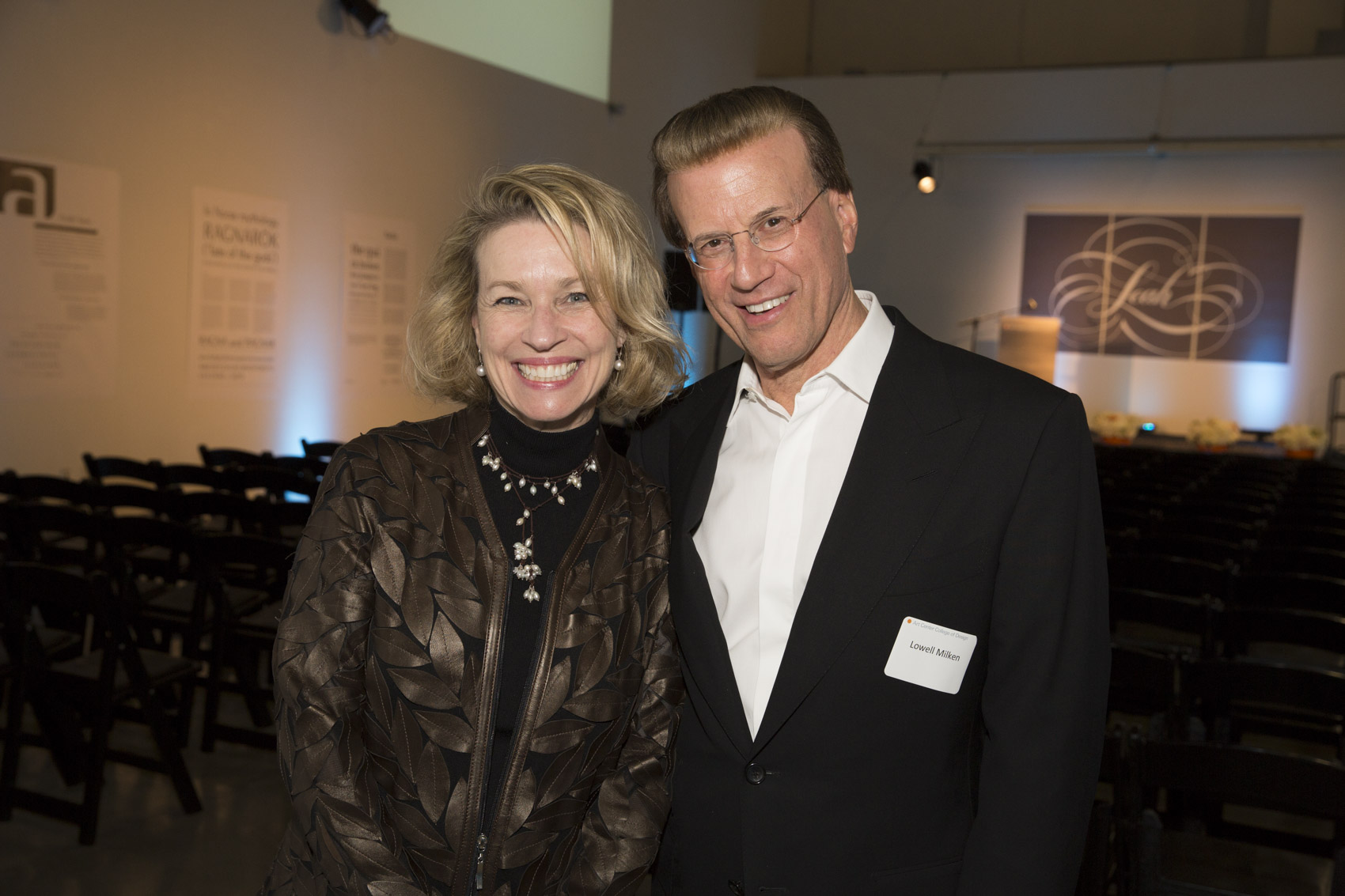
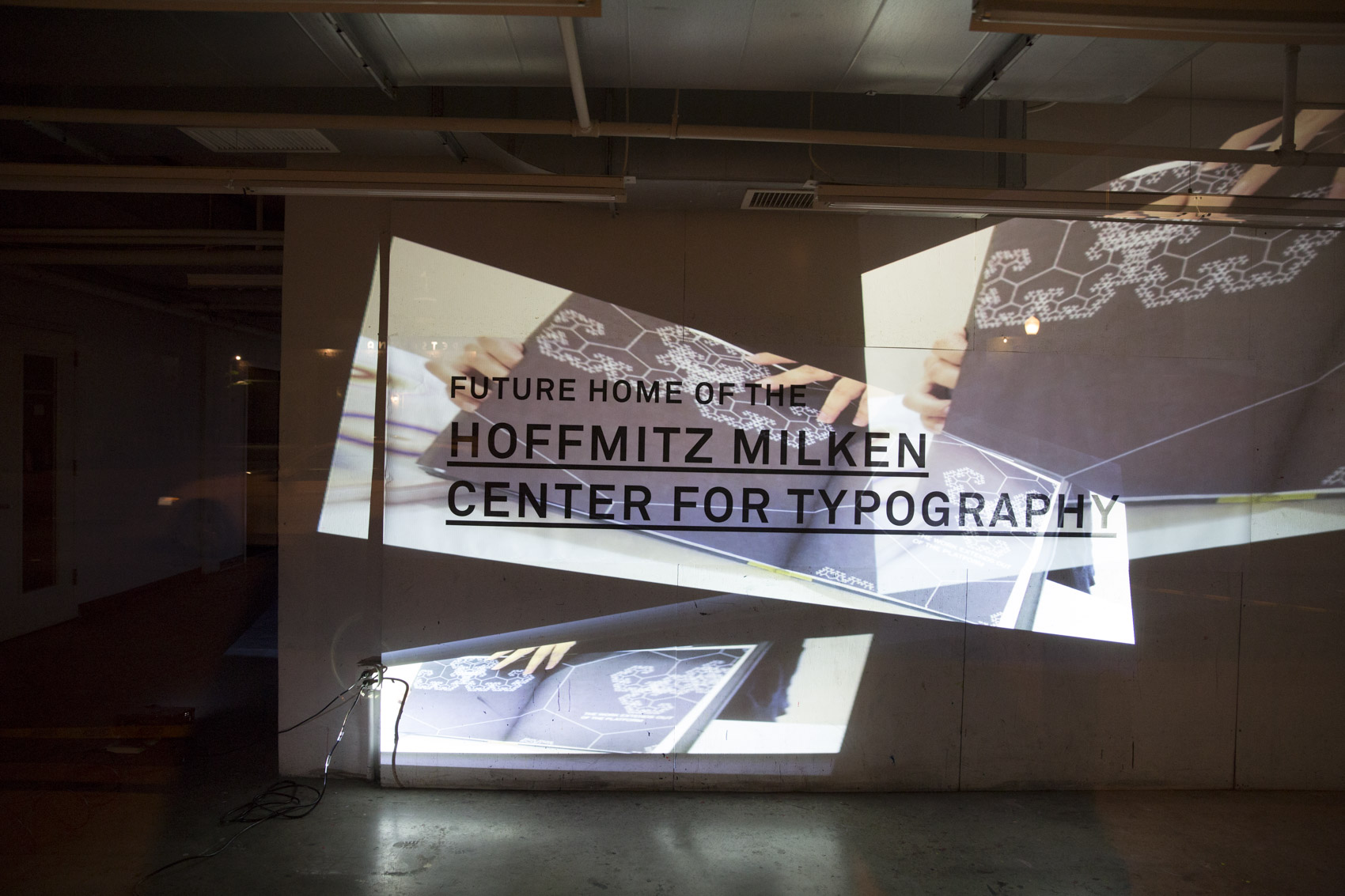
Laughter, tears and, most of all, love was in abundance last Thursday evening, when more than 200 close friends and family gathered in Art Center’s Wind Tunnel Gallery to remember the extremely perceptive, bigger than life, impressively precise, brutally honest and encouragingly supportive Leah Toby Hoffmitz Milken, who passed away in October after battling a rare form of brain cancer.
President Lorne M. Buchman described Leah’s teaching as “the spine,” the core, the fundamental center for the design practice of her students. “Letterforms are a significant means through which human knowledge is conveyed and made precise, he explained. “Leah gave us the gift of knowing language, of seeing the visual word, in its most precise and exacting form. And from that came a release, a creativity of communication that can only enhance our experience as human beings.”
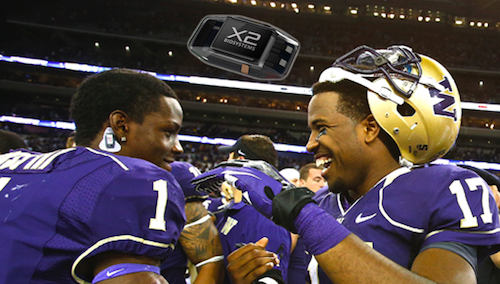
X2 Biosystems’ XPatch provides data for early detection of head injuries.
Product Design faculty member Jeff Higashi spent over three years inside NFL players heads. As Vice President of Product Development assigned to develop a device that would capture data to assess potential concussions, Higashi gave a lot of thought to the mechanics of the sport as well as to how the players and teams might best be served by what players wear on the field and how.
With Sunday’s Superbowl showdown between the New England Patriots and the Seattle Seahawks swiftly approaching, we asked Jeff to explain how the X2 Biosystems’ XPatch device he helped develop might help protect players from the plague of concussions afflicting the sport. And we also seized the opportunity to ask this wearable tech designer to analyze some of the messages these two formidable teams are sending via their uniforms’ color, materials and design elements.
The spotlight of attention and adulation trained on the new interactive video for Coldplay’s latest hit, “Ink,” has been nothing short of, well…blinding. Appropriately enough, this ambitious and innovative multimedia project sprung from Blind, the transmedia design agency founded by Art Center alum Chris Do.
The evolution of the video is fascinatingly chronicled in the above making-of video as well as the following Fast Company blog post by Evie Nagy. Please feel free to share your thoughts on this video’s customized storytelling experience in the comments section below. Is this a novel fluke? Or have we just witnessed the future of all music videos? Discuss!
In November, pop-rock titans Coldplay released a gorgeous and engaging interactive video for “Ink,” a single from their chart-topping 2014 album Ghost Stories. The animated clip, developed by Los Angeles design agency Blind, is a choose-your-own-adventure-style story about a lost traveler given multiple opportunities to chase his elusive lover or go his own way. In all, there are more than 300 possible paths and stories a viewer can experience.
In the new behind-the-scenes video, members of Blind’s creative staff describe the two-month process of conceiving and creating the video, which uses a technology called Treehouse that was developed by New York company Interlude. Treehouse is the same technology that Bob Dylan used last year to create the interactive video for his 1965 classic “Like A Rolling Stone.” That video allowed users to click among 60 fake television shows of various genres, all dubbed with the song.
“The most challenging part of all of this was figuring out how to fully take advantage of the interactive medium,” says director Matthew Encina. “We had to create a story with inherently interesting choices to make, engaging viewers to wonder, ‘What would happen if I chose something else?’”
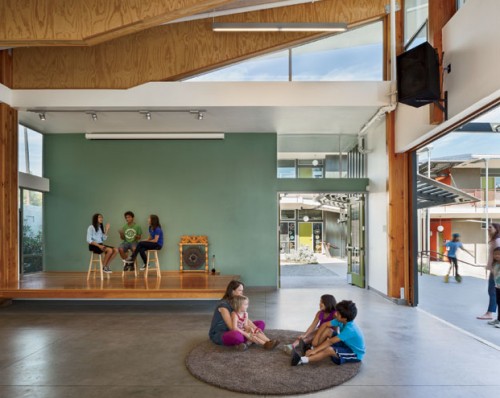
The Sequoyah School expansion, designed by Fung + Blatt and featured in Architectural Record, features lofty classrooms that echo the original buildings on the site. View full slideshow.
For the last 12 years, architect and visual artist Alice Fung has been teaching a materials course in Art Center’s Integrated Studies Department while working as a principal with her architecture firm, Fung + Blatt. One of Fung + Blatt’s recently completed projects, the Sequoyah School in Pasadena, is featured in the January 2015 Schools of the 21st Century special issue of Architectural Record, in an article by Sarah Amelar, excerpted below. The magazine’s annual review looks at “the world’s most architecturally significant K-12 schools…that exemplify good design as a crucial component in a school’s programmatic development.” The issue is currently on newsstands and available at Art Center’s Student Store at Hillside Campus. The project also received an Honor Award from the AIA last fall.
True to the collaborative spirit of the progressive Sequoyah School, in Pasadena, California, its students played active roles in the recent architectural changes on campus. Architects Alice Fung and Michael Blatt asked the pupils at this independent K-8 school to list their “wild dream” improvements and prioritize their needs. Their input had impact: Fung + Blatt Architects’ (F+B) initial intervention here, in 2009, was a shaded pick-up/drop-off shelter, addressing a top priority of its users. The architects also tackled small projects, gradually weaving together the eclectic campus, before transforming a long-overlooked section with new buildings.
Instead of disrupting learning, the multi-phased design work inspired it, engaging students, for example, in mapping and analyzing the existing campus. In Sequoyah’s “place-based” pedagogy, its surroundings are fodder for learning.
But the site—a 2.25-acre parcel between a freeway off-ramp and a major artery—is not an obvious spot for a school. Sequoyah leases its campus from Caltrans, the state highway agency, yet the school has flourished here for decades, striking a balance among seemingly irreconcilable conditions. Continue reading →
Today, Buzzfeed published the following photo essay, featuring Product Design alum Edward Eyth’s “Back to the Future Part II” concept art. The piece offers a prescient glimpse at the 1988 sketches of the futuristic world of 2015. What better way to kick off the weekend than by looking back at an Art Center alum’s vision for the future that is now.
Jessie Kawata applies design thinking to scientific quandries at NASA + JPL
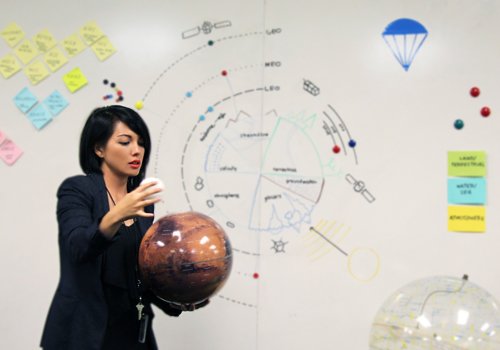
Jessie Kawata (BFA, Product ’11) is a Visual Strategist at NASA’s Jet Propulsion Laboratory, where she gets to stare into space for a living. This term she is teaching a Saturday High class at Art Center as well as mentoring students in Product Design’s Design for Sustainability 2 Studio class, which includes a NASA JPL theme using JPL’s Earth Mission and Climate Sciences data. Below she describes how she helps pave the way for design to exist in space exploration.